Can You Freeze Cooked Roast Beef?
This post may contain affiliate links. As an Amazon Associate, we earn from qualifying purchases.
A Handy guide for home cooks to store, thaw, and enjoy beef later
If you’ve cooked an entire beef roast and found yourself with more leftovers than your family can eat in 3–5 days, you’re not alone. Many home cooks wonder about the best way to store cooked beef for future use without sacrificing flavor or tenderness. The good news? You can freeze cooked roast beef and still enjoy the best quality and taste later.
Whether it’s your first time freezing meat or you’re looking to improve your meal prep routine, this handy guide walks you through everything — from preventing freezer burn and choosing airtight containers to learning the best thawing methods and delicious recipe ideas for future meals.
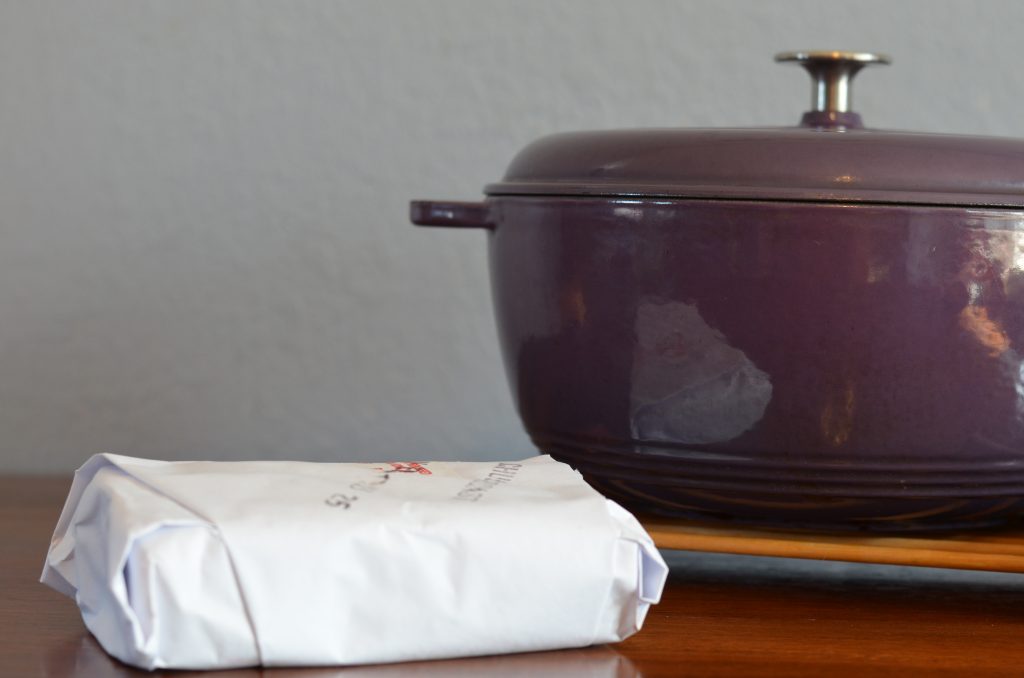
Why you should freeze cooked roast beef
Freezing cooked roast beef is one of the easiest ways to save money, prevent waste, and keep homemade meals ready for busy nights. It’s a good idea if:
- You’ve made a large pot roast and don’t want to eat the same meal for 3–5 days.
- You’d rather skip expensive deli meats or lunch meat from the grocery store and use real beef instead.
- You’re meal prepping for a busy season and want individual portions ready to go.
Unlike pre-packaged meats and hot dogs from the store, freezing your own wrapped meat ensures you control the quality from start to finish. Plus, you’ll enjoy that “fresh beef” flavor long after cooking.
How to freeze cooked roast beef for the best results
Step 1: Cool to Room Temperature
Let the beef rest until it’s at room temperature (no longer than two hours) before freezing. Cooling prevents steam from being trapped in the packaging, which can cause freezer burn and change the texture of the meat. Some people prefer to refrigerate overnight before freezing, which is another great option.
Step 2: Portion and Pack
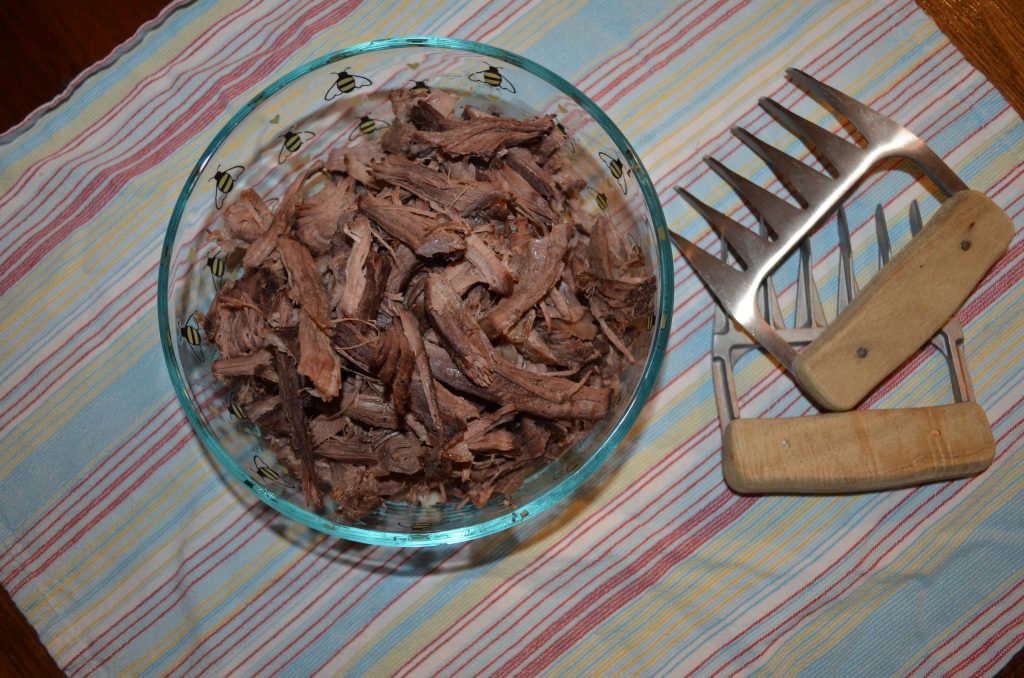
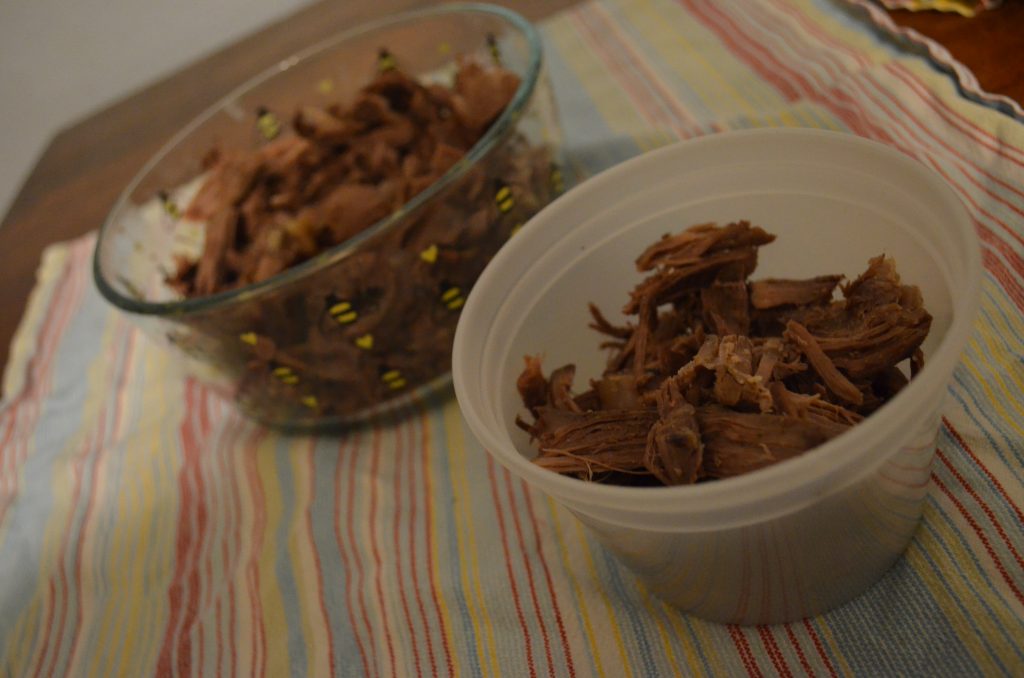
Slice, shred, or cube the beef into individual portions before freezing. This makes it easy to grab just what you need for a meal later and avoids wasting time thawing large amounts.
We prefer using RediTainers — 1-cup or 2-cup sizes are ideal for single servings or family meals. These airtight containers keep air out, stack neatly, and are reusable for the long term.
For the best results, add a splash of broth or red wine before sealing. This extra moisture keeps the beef tender and juicy when reheated.
If you’re freezing an entire roast, slice it first or keep it whole — just remember to wrap it tightly in plastic wrap and then again in aluminum foil before placing it in a freezer bag. This double-layer method offers extra protection from freezer burn.
Step 3: Label Everything
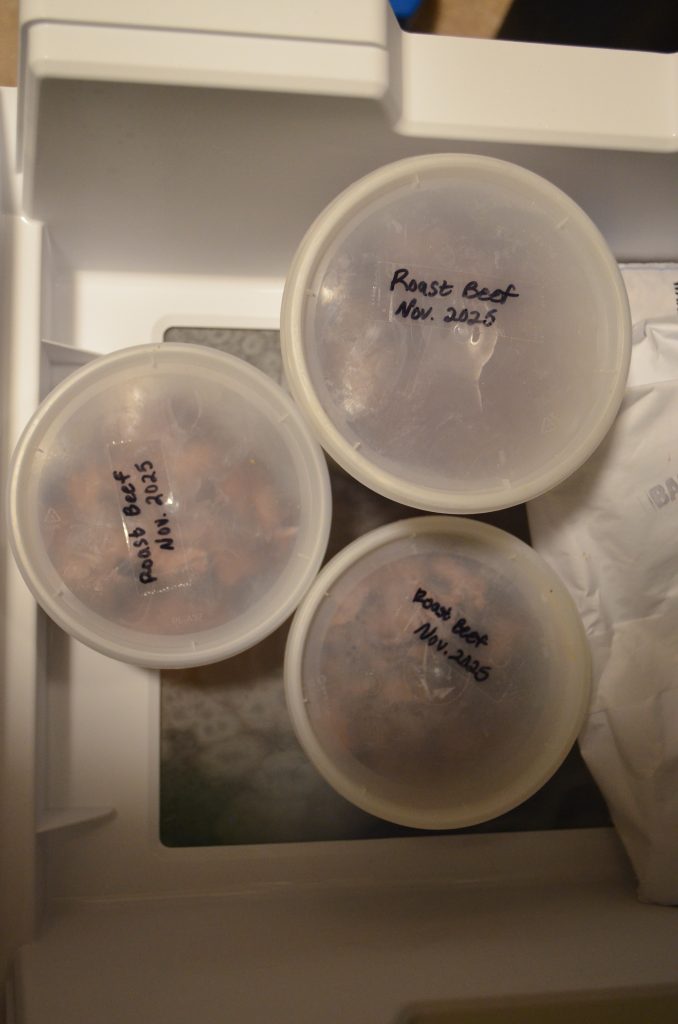
Use a product label or marker to note the date, type of meat, and cooking method — for example, “Roast Beef, March 2025.” Labeling helps you track how long it’s been stored so you can use it within the recommended storage time.
Freezer storage times and shelf life
According to the USDA, cooked beef maintains its best quality for about 3–6 months when frozen. You can safely eat it beyond that period if it stays frozen solid, but the texture of the meat might decline over a long time.
Understanding freezer storage times helps prevent food waste. While cooked roast beef keeps for months, raw meat such as ground beef, pork chops, or uncooked meat should follow different timelines. Ground meats and fresh meat like steaks or roasts typically freeze well but should be used within their own recommended time frame for best results.
How to thaw cooked roast beef safely
Once your beef is frozen, thawing it properly is key to maintaining taste and texture while keeping it safe to eat.
Refrigerator Method (Safest)
Move the frozen meat to the bottom of the fridge and let it thaw slowly overnight. This gives the beef plenty of time to defrost evenly without entering the temperature “danger zone.” It’s the safest and most reliable method.
Add to Boiling Liquid (Fastest)
If you’re short on time and making soup, stew, or beef and noodles, place the beef directly into a large pan of boiling broth. It’s one of the easiest ways to reheat frozen roast beef. You can also use a pressure cooker or instant pot to speed things up.
Avoid using a slow cooker to thaw or reheat frozen meat. The low temperature takes too long to bring it to a safe cooking time, allowing bacteria to grow. Though we won’t say we’ve never done this when in a pinch.
Microwave Method (Quickest)
If you’re really in a rush, use the defrost setting on your microwave. Thaw, then heat immediately. This method works in a pinch, though it might slightly change the texture of the meat.
Never thaw using hot water or leave beef on the counter. Both methods can cause uneven temperatures and unsafe bacteria growth.
Best Practices to Prevent Freezer Burn
To protect your roast beef and maintain its best quality, follow these best practices every time you freeze meat:
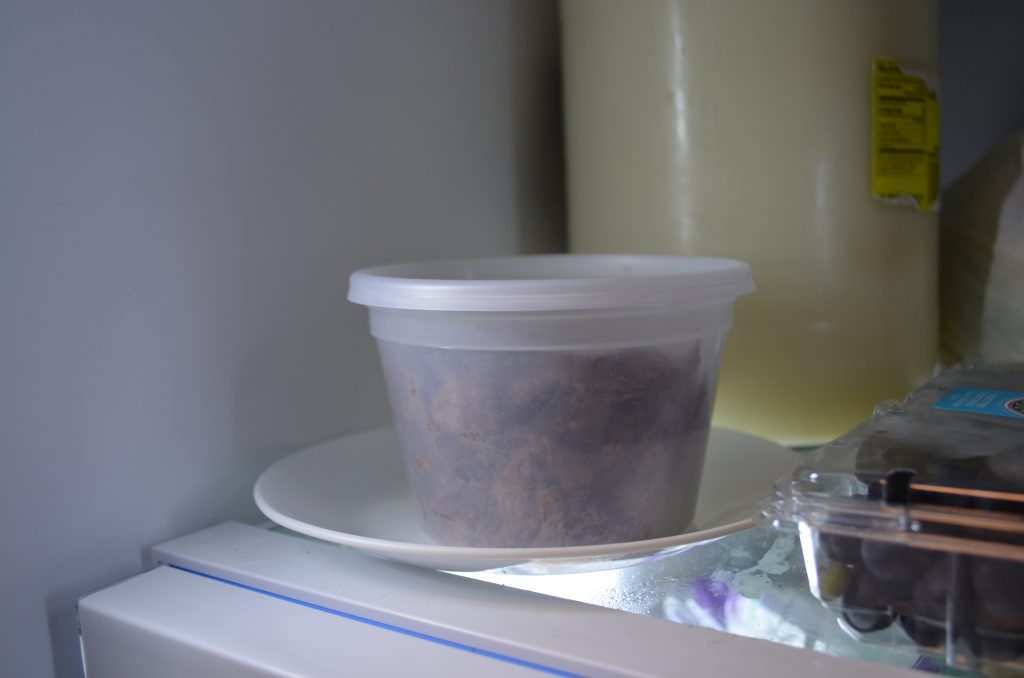
- Freeze things from fridge or room temperature. Not hot! Heat causes condensation in the container
- Always remove excess air from bags or containers.
- Freeze bags in a single layer before stacking large items. This helps them freeze faster and more evenly.
- Pat the beef dry with paper towels before wrapping to reduce ice crystals.
- Top off the container with liquid before freezing
- Use airtight bags or airtight containers to prevent air exposure.
- Avoid opening the freezer too often, as temperature fluctuations can lead to freezer burn.
Properly wrapped beef can last a long time in the freezer, but aim to use it within the use-by date for best results.
Tasty Ways to Use Frozen Roast Beef
Once thawed, your roast beef is ready for quick, flavorful meals that save you much time in the kitchen. Try it in:
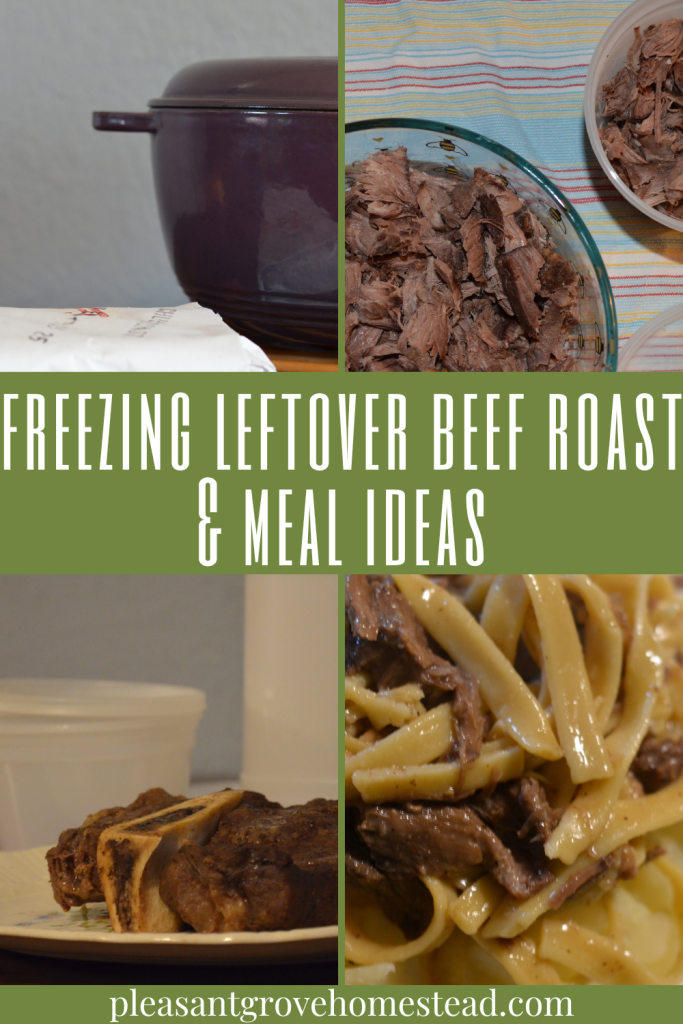
- Beef and Noodles – a cozy, hearty dinner.
- French Dip Sandwiches – skip the deli meats and use your own.
- Beef Stir Fry – add thawed beef to vegetables in a large pan for a fast meal.
- Breakfast Hash – mix beef with potatoes, onions, and eggs for a filling start to the day.
- Slow Cooking Recipes – add thawed roast beef to casseroles, soups, or sauces for easy comfort food.
The easiest way to meal prep is to store individual portions of beef in the freezer so you can mix and match throughout the week.
From farm to freezer
At Pleasant Grove Homestead in Montezuma, Iowa, we believe that meat deserves to be handled with care. Whether it’s fresh beef, pork chops, or homemade broth, proper freezing helps preserve flavor and nutrition for the long term.
Following these best practices will help extend the shelf life of your roast beef, maintain best quality, and give you the satisfaction of knowing that nothing goes to waste. With just a bit of preparation and attention to detail, you’ll always have wholesome, fresh beef ready for family meals — straight from your freezer.
So next time you roast a big cut, don’t hesitate to freeze the leftovers. It’s the best way to save money, reduce waste, and keep delicious meals ready to enjoy anytime.
What’s the Difference Between Ground Pork and Beef?
This post may contain affiliate links. As an Amazon Associate, we earn from qualifying purchases. When it comes to ground meat, most grocery stores showcase ground beef in every fat ratio, from 70/30 to 95/5. It’s a favorite for burgers, chili, meat sauces, and casseroles. Ground pork, meanwhile, often occupies a smaller shelf, quietly waiting…

Why Seeds Won’t Germinate: Reasons Seeds Aren’t Sprouting
Struggling with seeds not germinating? Learn the most common causes of low germination rates and practical solutions from full-time produce growers using real-life experience.

How to Grow Kale From Seed: A Planting and Harvest Guide
This post may contain affiliate links. As an Amazon Associate, we earn from qualifying purchases. Kale plants are one of the most reliable crops we grow on our Iowa produce farm. Whether we’re transplanting kale seedlings in early spring, setting out a fall crop in late summer, or harvesting sweet leaves after a light frost,…

Storing Winter Squash Long Term: A how to guide for storage
This post may contain affiliate links. As an Amazon Associate, we earn from qualifying purchases. Winter squashes are one of the most reliable, low-maintenance, long-lasting foods you can keep on hand for the colder months. At Pleasant Grove Homestead, we love showing people how incredibly simple it is to store butternut squash, acorn types, spaghetti…

Roasting Winter Squash: A perfect recipe for all squash
This post may contain affiliate links. As an Amazon Associate, we earn from qualifying purchases. Winter squash is one of our favorite fall foods here at Pleasant Grove Homestead. From kabocha squash, acorn squash, spaghetti squash, and classic butternut squash, these vegetables are versatile, nutritious, and store beautifully all winter long. Unlike many other vegetables,…

A guide of Kale varieties: Tuscan vs. Curly Kale
This post may contain affiliate links. As an Amazon Associate, we earn from qualifying purchases. Here in Iowa, growing kale is a rewarding challenge. From the rolling fields of our homestead to farmers markets in Oskaloosa, Des Moines, and beyond, different types of kale thrive in our climate, especially as temperatures drop in late October…