Budget Friendly Meal Prep: Making a plan for meals
This post may contain affiliate links. As an Amazon Associate, we earn from qualifying purchases.

Preparing meals on a budget is easier than you think! In this blog, we will discover how healthy eating can be budget friendly with easy family dinners.
“Hey, what’s for dinner?” Ah, the age-old question that gets asked every. single. night. And yet, we still rarely know the answer. After a day of making so many different decisions, making the “What’s for dinner?” seems impossible. Getting into the routine of preparing meals at home takes practice to find what works best for your family and season of life. Setting a rhythm can set your family up for success. An example rhythm is Sunday is for easy beef recipes, Tuesdays is for tacos and quesadillas, and Thursday is for leftovers. In this blog, we will go through some different tips and tricks we have used to meal plan and prep on a budget while still feeding our family’s nutritious meals they will actually eat.
Create a rhythm with your meals
Each home is going to have a different rhythm based on your family size and eating preferences, but here are some ideas that are rhythm for our family of six:
1. Cook a whole chicken for one meal, eat something with leftover chicken later in the week
2. Make a beef or pork roast one night, serve shredded meat sandwiches later in the week
These types of options leave you with a pre-cooked protein so you can focus on making the other portions of the meal from scratch
Use small windows of time to prep food
We tend to eat dinner rather late after our animal chores. Around 3 pm, we will have a simple snack, but during that snack I will often prep portions of the meal. If it’s roasted potatoes, I will cut them and add them to water so they can just be drained and put onto a pan later. This allows me to not only have the meal ready, but it also gives me a jump on the dishes!
Make a meal plan that utilizes leftovers
Good news is you do not have to plan all 21 meals plus snacks in a week. Utilizing leftovers for lunch the next day or next night is one of the easiest ways you can simplify your meal planning. Plus, food waste is a top grocery budget killer, especially with high dollar items like meat! Plan on eating leftovers for dinner a couple times a week to prevent this waste. It is important to find a planning cadence that works for your family. Want to cook something your children will actually eat? Include them on the meal planning and the meal prepping! After creating your meal plan in the cadence that works for your family, create your grocery lists with the items that need to be purchased for the meals. You may have a list of things you need to get from a grocery store and a list of things you need to buy at your local farmers market or CSA. In our experiences with little kids I have found success in repeating the same meal week after week. For example, we always have tacos, pizza and sloppy joes every single week. We also cook a whole chicken for one meal, and use the leftovers in a dish the other night.
Buying ingredients in bulk
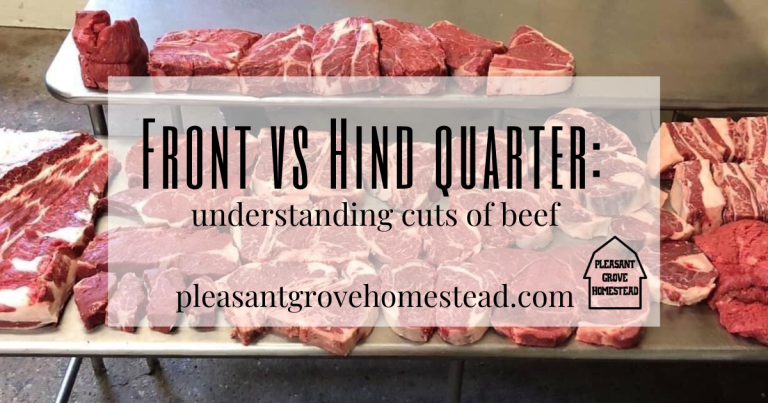
The first thing to mention is buy INGREDIENTS. Flour, salt and eggs are far cheaper than a box of noodles. Focus on ingredients that are staples you can make many different things from. Our family buys from Azure Standard, an online organic grocery store. Buying organic in bulk for the ingredients we need saves us money and allows organic to fit in to our budget. We have found that buying organic in bulk is often equal to the grocery store price. Aside from dry staple foods, purchasing meat in bulk from a local producer can be a very economical way to fill your freezer with high quality protein. While this requires a more expensive cost upfront, it is cheaper than the grocery store on a price per pound basis! Plus, the meat is very high quality. Learn what to expect from a whole beef here, or a whole hog here.
Use what you have
Since the pantry should be loaded with ingredients, it should be simple to use what you have. This takes a bit of mental training, but once it becomes a routine you can easily whip up whatever your heart desires in the kitchen! In the meantime, use up whatever is in our cupboards while you build your cooking routine!
Short cut meals
Thinking about our future selves while meal planning is a wonderful gift we can give to ourselves. An example of this is cooking a pot roast one night and then utilizing the leftover roast the next night in homemade beef and noodles where only the noodles need to be prepared. Another way is to purchase a whole chicken, which can be broken down into 3-4 meals! How To Make The Most Out Of A Whole Roasted Chicken
Canning meat and vegetables
Utilizing canned meat and vegetables allows us to cook at home very easily when we can just dump and pour from the jar. If you have never canned before, check out our canning class to learn how Tips and Supplies for Home Canning and Preserving
Our favorite canned recipes for your meal plans:
The Best Ways To Use Canned Chicken: 10 Quick Meal Ideas
Using canned roast beef: 10 recipe ideas to make meals quick!

Our Farm
Here at Pleasant Grove Homestead we provide meat, produce, eggs & honey to surrounding communities through farmer’s markets, cooperatives and other direct to consumer channels! What started off as a journey to fill our own freezers quickly turned into an adventure to meet the needs of supplying others with nutrient dense, chemical free products as well! You can find where to buy our products HERE.
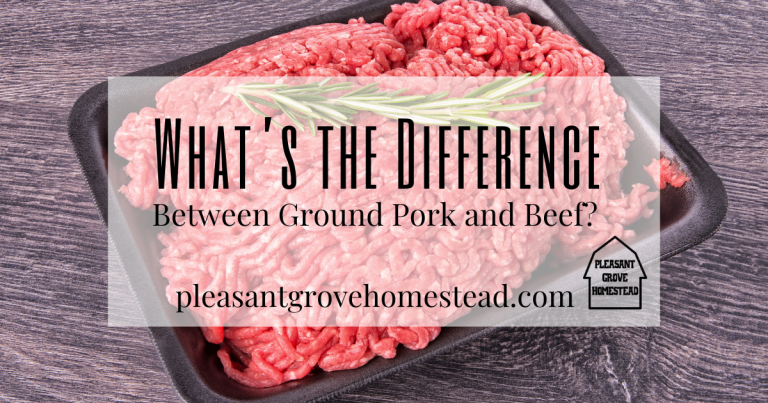
What’s the Difference Between Ground Pork and Beef?
This post may contain affiliate links. As an Amazon Associate, we earn from qualifying purchases. When it comes to ground meat, most grocery stores showcase ground beef in every fat ratio, from 70/30 to 95/5. It’s a favorite for burgers, chili, meat sauces, and casseroles. Ground pork, meanwhile, often occupies a smaller shelf, quietly waiting…

Why Seeds Won’t Germinate: Reasons Seeds Aren’t Sprouting
Struggling with seeds not germinating? Learn the most common causes of low germination rates and practical solutions from full-time produce growers using real-life experience.

How to Grow Kale From Seed: A Planting and Harvest Guide
This post may contain affiliate links. As an Amazon Associate, we earn from qualifying purchases. Kale plants are one of the most reliable crops we grow on our Iowa produce farm. Whether we’re transplanting kale seedlings in early spring, setting out a fall crop in late summer, or harvesting sweet leaves after a light frost,…

Storing Winter Squash Long Term: A how to guide for storage
This post may contain affiliate links. As an Amazon Associate, we earn from qualifying purchases. Winter squashes are one of the most reliable, low-maintenance, long-lasting foods you can keep on hand for the colder months. At Pleasant Grove Homestead, we love showing people how incredibly simple it is to store butternut squash, acorn types, spaghetti…

Roasting Winter Squash: A perfect recipe for all squash
This post may contain affiliate links. As an Amazon Associate, we earn from qualifying purchases. Winter squash is one of our favorite fall foods here at Pleasant Grove Homestead. From kabocha squash, acorn squash, spaghetti squash, and classic butternut squash, these vegetables are versatile, nutritious, and store beautifully all winter long. Unlike many other vegetables,…

A guide of Kale varieties: Tuscan vs. Curly Kale
This post may contain affiliate links. As an Amazon Associate, we earn from qualifying purchases. Here in Iowa, growing kale is a rewarding challenge. From the rolling fields of our homestead to farmers markets in Oskaloosa, Des Moines, and beyond, different types of kale thrive in our climate, especially as temperatures drop in late October…