How to Grow Kale From Seed: A Planting and Harvest Guide
This post may contain affiliate links. As an Amazon Associate, we earn from qualifying purchases.
Kale plants are one of the most reliable crops we grow on our Iowa produce farm. Whether we’re transplanting kale seedlings in early spring, setting out a fall crop in late summer, or harvesting sweet leaves after a light frost, kale earns its place in our growing plan every year. We follow organic practices on our farm (though we’re not certified), and kale seeds are something we start indoors and always transplant seedlings into the garden. Kale is a cool-weather crop that thrives when other vegetables struggle, producing tender leaves well into late fall and throughout winter harvests in our high tunnels. If you’ve ever wondered about the best time to grow kale, how to manage pests naturally, or why farm-fresh kale is better than the grocery store, this guide will walk you through it.
Why Kale Is a Good Choice for Home Gardens
Kale is a cool-season crop and one of the most forgiving leafy greens you can grow. It handles cold temperatures, rebounds after harvest, and keeps producing for months. There’s a good reason kale shows up in so many garden beds—it’s dependable and nutrient-dense. Kale is also rich in vitamin C, and nutrition begins to decline every day after harvest. That’s why kale grown at home or purchased locally tastes better and offers more nutritional value than kale shipped long distances to the grocery store.
Varieties of Kale We Grow and Love
We grow multiple varieties of kale, and each one brings something different to the table:
- Dinosaur kale (lacinato) with long, bumpy blue-green leaves and a mild, nutty flavor
- Red Russian kale, tender and fast-growing, perfect for baby kale and salad mixes
- Curly kale with dark green, ruffled leaves that hold up well in cooking
When to Start Kale Seeds in Iowa
Kale can be grown nearly year-round with proper timing.
Plant kale 3 to 5 weeks before your last frost date for spring production. Kale tolerates cool soil and light freezes, making it ideal for early planting.
For fall and winter harvests, start seeds in late June in Iowa and set plants out in early fall. Kale grown in cooler weather develops better texture and sweeter flavor, especially after exposure to frost.
Where Kale Grows Best
Kale grows best in full sun, though partial shade can be helpful during warmer months. It thrives in fertile soil, so we incorporate compost into our garden soil each season. Compost improves structure, helps retain moisture, and supports steady growth throughout the growing season. Kale grows well in in-ground gardens, raised beds, and containers, making it an easy addition to almost any vegetable garden.
Spacing, Watering, and Plant Care
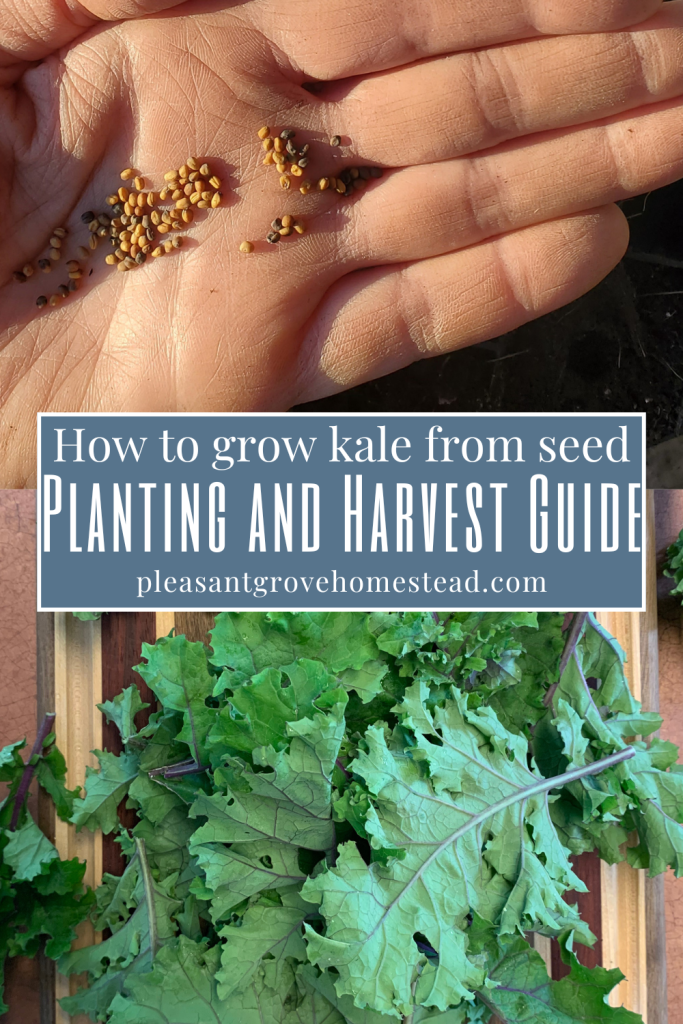
We seed kale in 50 trays, as seen here, but as a home gardener, use whatever is available! Kale roots are a bit sensitive so each plant should have it’s own designated space, unlike onions that can be planted with multiple in a pot.
Space kale plants 12-18 inches apart to allow good airflow and room for full size leaves to develop.
Kale is a fast grower and prefers consistent moisture. Provide 1 to 1.5 inches of water each week to keep plants growing steadily. Inconsistent watering can lead to tougher older leaves and slower regrowth.
Transplanting Kale Seedlings
We always transplant kale rather than direct sowing. Transplanting gives young plants a head start and helps them withstand early-season stress.
Transplant seedlings once they’ve developed their first true leaves. Water well after planting and protect plants from severe cold winds when necessary.
Extending the Season with Row Covers and Protection
Kale tolerates cold, but protection helps extend harvests. We use row covers for two reasons: to extend the growing season and to prevent insect pests like cabbage worms, cabbage loopers, and flea beetles.
Row covers also block white butterflies and cabbage moths from laying eggs, reducing pest problems without sprays and allowing beneficial insects to thrive elsewhere.
Growing Kale Year-Round in Iowa
For winter harvests, kale becomes one of our most dependable crops. In addition to high tunnels, simple cover can provide nutritious kale year-round.
Here in Iowa, we’ve had success using simple PVC tubing systems, combined with a heavy blanket on very cold nights. This extra insulation protects plants during extreme cold and keeps kale productive through late winter. Remember, due to short daylight hours, plants do not grow much in winter so use the plant as a storage mechanism for your kale. Do not expect much growth during the winter months.
How and When to Harvest Kale
Harvest kale by picking the outer leaves first, starting with the lowermost leaves once they reach a deep green color and are large enough to make your dish. A good rule of thumb is harvesting leaves about the size of your hand.
Leaving the center growing point intact allows plants to continue producing. Young leaves are perfect for salads, while mature leaves hold up well to cooking.
Kale reaches peak flavor after being kissed by a light frost. Frost converts starches into sugars, creating sweeter, more tender leaves—one of the reasons fall kale and winter harvests are our favorites.
Common Kale Pests and How We Manage The
Kale can attract several insect pests, including cabbage aphids, flea beetles, cabbage worms, and cabbage loopers. Warm temperatures increase pest pressure, especially in spring-planted kale.
Our primary strategy is prevention: row covers, healthy soil, and proper spacing. When plants are strong, they tolerate minor pest damage without issue.
From Garden to Kitchen
Kale is versatile and productive. We sell both baby kale and bunches, and customers love how fresh kale compares to grocery store greens.
Once you grow or buy local kale, it’s hard to go back.
Why Kale Is Worth Growing
Kale is an easy way to grow nutrient-dense food at home. It’s productive, resilient, and offers a long harvest season from early spring through late fall and beyond.
Whether you’re growing kale yourself or supporting a local farmer, kale is a crop that delivers—again and again. Be sure to join our farm’s email list if you are local to know where to grab kale straight from our farm.
What’s the Difference Between Ground Pork and Beef?
This post may contain affiliate links. As an Amazon Associate, we earn from qualifying purchases. When it comes to ground meat, most grocery stores showcase ground beef in every fat ratio, from 70/30 to 95/5. It’s a favorite for burgers, chili, meat sauces, and casseroles. Ground pork, meanwhile, often occupies a smaller shelf, quietly waiting…

Why Seeds Won’t Germinate: Reasons Seeds Aren’t Sprouting
Struggling with seeds not germinating? Learn the most common causes of low germination rates and practical solutions from full-time produce growers using real-life experience.

Storing Winter Squash Long Term: A how to guide for storage
This post may contain affiliate links. As an Amazon Associate, we earn from qualifying purchases. Winter squashes are one of the most reliable, low-maintenance, long-lasting foods you can keep on hand for the colder months. At Pleasant Grove Homestead, we love showing people how incredibly simple it is to store butternut squash, acorn types, spaghetti…

Roasting Winter Squash: A perfect recipe for all squash
This post may contain affiliate links. As an Amazon Associate, we earn from qualifying purchases. Winter squash is one of our favorite fall foods here at Pleasant Grove Homestead. From kabocha squash, acorn squash, spaghetti squash, and classic butternut squash, these vegetables are versatile, nutritious, and store beautifully all winter long. Unlike many other vegetables,…

A guide of Kale varieties: Tuscan vs. Curly Kale
This post may contain affiliate links. As an Amazon Associate, we earn from qualifying purchases. Here in Iowa, growing kale is a rewarding challenge. From the rolling fields of our homestead to farmers markets in Oskaloosa, Des Moines, and beyond, different types of kale thrive in our climate, especially as temperatures drop in late October…

Beef and Noodles: Easy meal with leftover roast
This post may contain affiliate links. As an Amazon Associate, we earn from qualifying purchases. Homemade beef and noodles are a classic comfort food that’s perfect for busy families. This easy recipe uses simple ingredients and transforms leftover roast beef or chuck roast into a delicious meal that’s ready to join your dinner rotation. Whether you’re serving it to picky eaters or planning a whole meal with sides like green beans, this classic…